
Join Us Behind the Scenes: A Wedding Photographer’s Journey from Start to Finish
Capturing the magic of a wedding day is about more than just snapping photos; it’s about telling a story that will be cherished for a lifetime. As we take you behind the scenes, you’ll get a glimpse into the [day in the life of a wedding photographer](https://www.wed
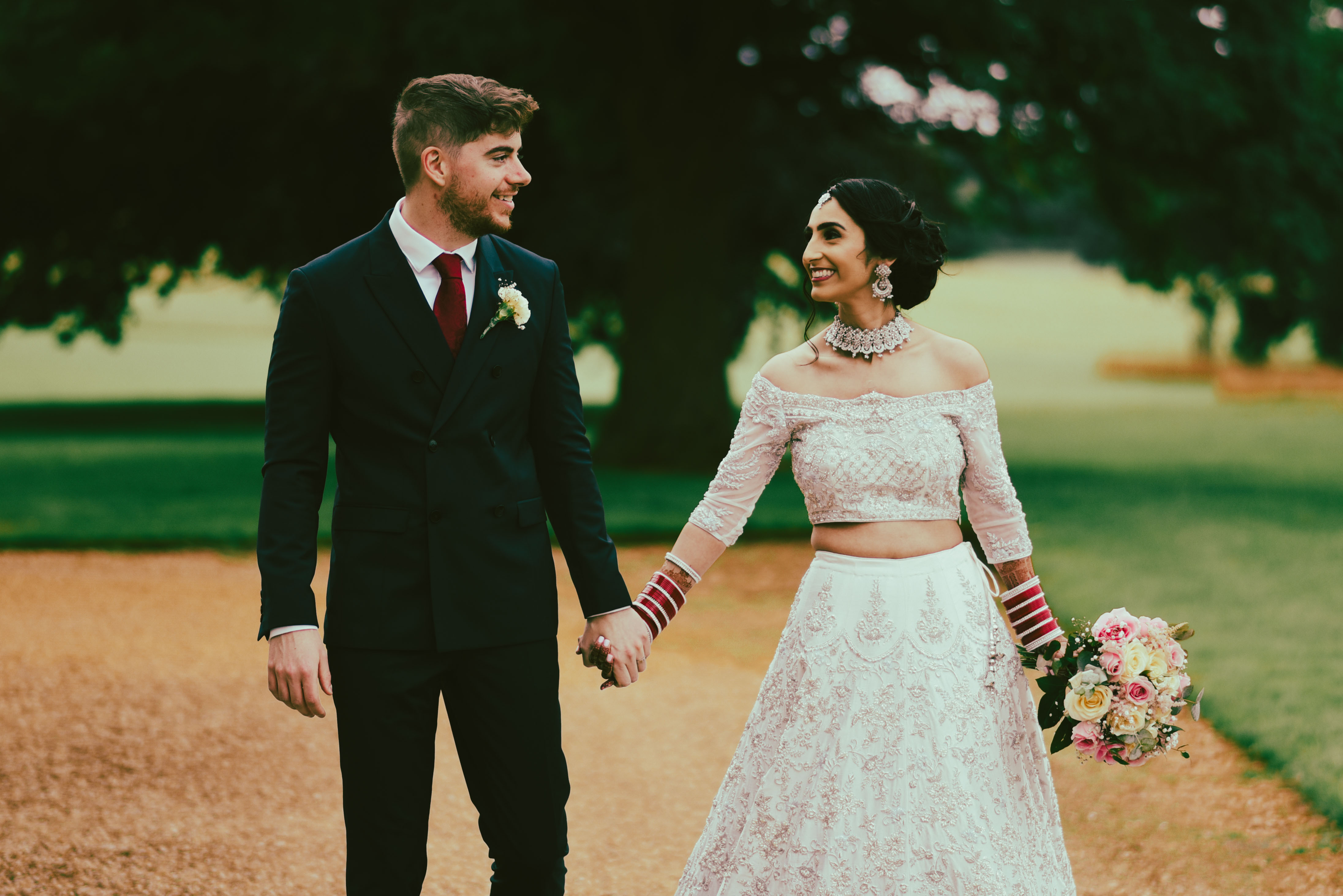
The Art of Wedding Photography
Wedding photography is a delicate blend of technical skill and artistic vision. Let’s explore the nuances that make this craft truly special.
Capturing the Perfect Moment
The essence of wedding photography lies in freezing those fleeting, magical instants that define the day. It’s about being in the right place at the right time, with a keen eye for detail and emotion.
A skilled photographer anticipates these moments, ready to capture the bride’s nervous smile, the groom’s tear of joy, or the spontaneous laughter during speeches. It’s not just about taking pictures; it’s about storytelling through images.
Mastering this art requires patience, intuition, and a deep understanding of human emotions. The photographer must blend into the background while remaining alert to every significant occurrence, ensuring no precious moment slips by uncaptured.
Balancing Candid and Posed Shots
A wedding album should be a harmonious mix of candid and posed photographs, each serving a unique purpose in telling the couple’s story.
Candid shots capture the raw, unscripted emotions of the day. They provide a genuine glimpse into the atmosphere and the relationships between people. These images often become the most treasured, as they reflect the true essence of the celebration.
Posed photographs, on the other hand, offer a chance to create stunning, deliberate compositions. They allow for careful arrangement of subjects, lighting, and backgrounds to produce timeless, elegant portraits.
The key is striking the right balance. A skilled photographer knows when to step back and observe, and when to step in and direct, ensuring a diverse and comprehensive visual narrative of the wedding day.
Creating Lasting Memories
The ultimate goal of wedding photography is to create a visual legacy that will be cherished for generations. This involves more than just technical proficiency; it requires an ability to capture the unique spirit of each couple and their celebration.
A great wedding photographer doesn’t just document events; they interpret them, infusing each image with the emotion and atmosphere of the moment. They understand that these photographs will become treasured heirlooms, viewed and shared for years to come.
Creating lasting memories also means being adaptable and creative. Whether it’s finding beauty in unexpected places or turning challenges into opportunities, a skilled photographer knows how to make every shot count.
The result is a collection of images that not only remind the couple of how their wedding day looked, but how it felt – a priceless gift that grows more valuable with each passing year.
Gear and Preparation
Behind every stunning wedding album is meticulous preparation and a carefully curated set of equipment. Let’s delve into what it takes to be ready for the big day.
Essential Photography Equipment
The right gear is crucial for capturing every precious moment of a wedding day. A professional wedding photographer’s kit is a carefully selected arsenal of tools, each serving a specific purpose.
At the heart of the kit are high-quality cameras, typically full-frame DSLRs or mirrorless cameras, chosen for their superior image quality and low-light performance. Multiple camera bodies are essential, providing backup and allowing for quick lens changes.
A variety of lenses is crucial, typically including:
A wide-angle lens for venue shots and group photos
A versatile zoom lens for ceremony coverage
A fast prime lens for portraits and low-light situations
A macro lens for detailed shots of rings and other small items
Other essentials include:
Multiple flash units for lighting control
A sturdy tripod for stability in low light
Memory cards, spare batteries, and chargers
Equally important are the less glamorous items like comfortable shoes, water, and snacks to keep the photographer going through the long day.
Pre-Wedding Consultations
Pre-wedding consultations are a crucial step in ensuring the photography aligns perfectly with the couple’s vision. These meetings build trust and set clear expectations for the big day.
During these sessions, the photographer and couple discuss:
The wedding timeline and key moments to capture
Specific shot requests and family groupings
The couple’s preferred style and any inspiration photos
Logistics such as venue restrictions and contingency plans
It’s also an opportunity for the photographer to understand the couple’s story and personalities, which helps in capturing authentic, meaningful images on the wedding day.
These consultations often include engagement shoots, which serve as a ‘trial run’ for the wedding day. They help the couple feel more comfortable in front of the camera and allow the photographer to understand how best to capture their unique dynamic.
Venue Scouting and Planning
Thorough venue scouting is essential for seamless wedding day photography. It allows the photographer to anticipate challenges and identify opportunities for stunning shots.
During a venue visit, a photographer will:
Assess lighting conditions at different times of day
Identify potential backdrop locations for portraits
Note any restrictions or special permissions required
Plan equipment needs based on the venue’s layout
This preparation extends to creating a shot list and timeline, ensuring no important moments are missed. The photographer will also consider backup plans for outdoor locations in case of inclement weather.
Effective venue scouting and planning result in more efficient shooting on the day, allowing the photographer to focus on capturing moments rather than problem-solving logistics.
Day in the Life of a Wedding Photographer
From dawn to dusk, a wedding photographer’s day is filled with anticipation, creativity, and non-stop action. Let’s walk through a typical wedding day from behind the lens.
Morning Preparations
The day often begins before sunrise, with the photographer arriving at the venue or getting-ready location well ahead of the couple and their party.
This early start allows time for:
Setting up equipment and checking batteries
Capturing detail shots of the venue, decorations, and personal items
Documenting the excitement and nerves as the couple and their attendants prepare
During this time, the photographer must be unobtrusive yet ready to capture intimate moments. It’s a delicate balance of being present without being intrusive, all while managing lighting challenges in often cramped spaces.
The morning prep shots set the tone for the wedding album, telling the story of anticipation and transformation. From a wedding dress hanging in perfect light to a tender moment between a bride and her mother, these images are often among the most emotive of the day.
Ceremony and Reception Coverage
As the ceremony begins, the photographer’s role shifts to that of a silent storyteller, capturing the emotional high points of the day without disrupting the proceedings.
Key moments to capture include:
The processional and the couple’s first look
Exchange of vows and rings
The first kiss as a married couple
Reactions of family and friends
During the reception, the photographer must be everywhere at once, documenting:
Formal portraits and group shots
Candid moments of celebration
Key events like speeches, cake cutting, and first dances
This phase requires quick thinking and adaptability, as lighting conditions and shooting opportunities change rapidly. The photographer must balance capturing planned shots with being ready for spontaneous, emotionally charged moments.
Capturing Emotional Highlights
The true art of wedding photography lies in capturing the raw emotions that make each wedding unique. These moments often happen in a split second and require both technical skill and emotional intelligence to recognise and capture.
Emotional highlights might include:
A father’s proud smile as he walks his daughter down the aisle
The nervous excitement in a groom’s eyes as he waits for his bride
Tears of joy during the vows or speeches
The unbridled happiness of the couple’s first dance
Capturing these moments requires the photographer to be constantly alert, anticipating emotions before they happen. It also involves knowing when to use a long lens for discreet shots and when to get close for more intimate images.
The goal is to create a visual narrative that not only shows what happened, but also how it felt to be there. These emotional highlights often become the most treasured images in the wedding album, evoking powerful memories for years to come.
Post-Production Process
The work of a wedding photographer doesn’t end when the last dance finishes. The post-production process is where raw images are transformed into a polished, cohesive story of the day.
Editing and Enhancement
The editing process is where a photographer’s artistic vision truly comes to life. It’s a meticulous journey of selecting the best images and enhancing them to perfection.
Typically, the process involves:
Culling thousands of images down to the best few hundred
Adjusting exposure, colour balance, and contrast
Retouching to remove minor imperfections
Applying a consistent style or ‘look’ across the entire set
Advanced techniques like compositing might be used to overcome challenging lighting situations or create artistic effects. However, the goal is always to enhance, not alter, the genuine moments captured on the day.
This stage requires a delicate balance between technical skill and artistic judgement. The photographer must know when to make adjustments and when to let the natural beauty of a moment speak for itself.
Delivering the Final Product
Once editing is complete, the focus shifts to presenting and delivering the final images in a way that exceeds the couple’s expectations.
This often includes:
Creating a curated online gallery for easy sharing
Designing and producing a high-quality wedding album
Preparing files for printing in various sizes
Providing both high-resolution files for archiving and web-optimized images for social media
Many photographers also create a slideshow or highlight reel, set to music, to help the couple relive their day. This can be a powerful way to showcase the best images and tell the story of the wedding in a dynamic, emotional format.
The delivery process is an opportunity to add a personal touch, perhaps with custom packaging or a handwritten note, reinforcing the special relationship between the photographer and the couple.
Ensuring Client Satisfaction
The final step in the post-production process is ensuring the couple is thrilled with their wedding images. This goes beyond just delivering beautiful photos; it’s about exceeding expectations and providing excellent customer service.
Key aspects of ensuring client satisfaction include:
Timely delivery of images, meeting or beating promised deadlines
Clear communication throughout the editing and delivery process
Being responsive to any requests for specific edits or additional prints
Offering guidance on how to best preserve and display their images
A satisfied client is not just a happy customer; they become an advocate for the photographer’s business. Many photographers find that word-of-mouth referrals from delighted couples are their best source of new business.
The goal is to leave the couple feeling that their investment in professional photography was one of the best decisions they made for their wedding. When done right, the final product becomes a treasured heirloom that brings joy for generations to come.
Tips for Choosing Your Wedding Photographer
Selecting the right photographer is one of the most important decisions you’ll make for your wedding. Here’s how to ensure you find the perfect match for your special day.
Questions to Ask
When interviewing potential photographers, asking the right questions can help you gauge their experience, style, and suitability for your wedding.
Key questions to consider:
How many weddings have you shot, and can I see a full wedding gallery?
What’s your backup plan if you’re ill or your equipment fails?
How long after the wedding will we receive our photos?
Do you include an engagement shoot in your packages?
How do you handle difficult lighting situations?
It’s also important to discuss their approach to the day:
Do they prefer to be directive or unobtrusive?
How do they ensure they capture all the key moments?
What’s their process for family and group shots?
Remember, you’re not just hiring a service provider, but someone who will be intimately involved in your wedding day. Make sure you feel comfortable with their personality as well as their professional abilities.
Importance of Style Compatibility
Finding a photographer whose style aligns with your vision is crucial for ensuring you’ll love your wedding photos for years to come.
Consider these style elements:
Colour palette: Bright and airy or dark and moody?
Composition: Traditional poses or creative angles?
Editing style: Natural and true-to-life or artistic and filtered?
Look through full wedding albums, not just highlight reels, to get a true sense of their work. Pay attention to how they capture emotions, handle different lighting situations, and tell the story of the day.
It’s also worth considering how their style will complement your wedding theme and venue. A photographer who excels at rustic outdoor weddings might not be the best fit for a formal ballroom affair.
Remember, trends come and go, but your wedding photos should stand the test of time. Choose a style that resonates with you and reflects your personality as a couple.
Building a Relationship with Your Photographer
The best wedding photos come from a place of trust and comfort between the couple and their photographer. Building this relationship starts long before the wedding day.
Ways to build a strong rapport:
Have an engagement shoot to get comfortable in front of the camera
Communicate openly about your hopes and concerns
Share your wedding planning journey, including Pinterest boards or inspiration photos
Consider inviting them to your rehearsal dinner to meet key family members
A good photographer will take the time to understand your story as a couple and what matters most to you about your wedding day. This understanding allows them to capture not just images, but meaningful moments that truly reflect your relationship.
Remember, on your wedding day, you’ll spend more time with your photographer than almost anyone else. Investing in this relationship can make a significant difference in the quality and emotional impact of your wedding photos.
wedding photography
wedding videography
wedding photography packages
wedding photographer near me
wedding photo ideas
